Managing a Partna starts with a clear agreement, not an app. Decide who is taking part, what each hand costs, when contributions are due and how the draw order works. Then maintain records that let you explain each contribution and draw without relying on memory or a long message thread.
In Jamaican Partna, a hand means an agreed contribution or participation share, the draw is the pooled payout, and the banker organizes the group. Partner, Pardna and Pardner are other names you may encounter. Related Caribbean traditions include Sou-Sou, but local rules can differ. Ask how the specific group operates rather than assuming the name tells you every rule.
1. Agree on the rules before collecting contributions
Write down the pot currency, amount per hand, frequency, first draw date and total number of hands. Make any banker fee explicit, including how it changes the amount received. A member holding more than one hand needs a clear record of each agreed position and obligation.
- Confirm who organizes the pot and how members can contact them.
- Agree on contribution deadlines and the order of draws.
- Explain any fees and who pays external transfer or currency-conversion costs.
- Agree on what happens after a late contribution, missed payment or withdrawal.
- Explain how members can question a record or request a schedule change.
Choose an amount members can reasonably commit to for the whole cycle. Receiving an early draw does not end a member’s responsibility to keep contributing. Written rules can reduce misunderstandings, but they do not guarantee that everyone will pay.
2. Separate members from hands
A member is a person; a hand is a participation share. These are not always the same count. If nine people hold ten hands because one person holds two, calculate the draw from ten hands and record both of that person’s positions. Do not accidentally count their contribution once while allocating two draws.
Keep the participation list accurate and only share information appropriate to each person. A member needs their own contribution records, draw position and relevant dates, not another member’s private payment evidence or contact details.
3. Calculate the draw and check the calendar
For a simple example, ten hands contributing J$5,000 per weekly round produce a J$50,000 gross draw. With one draw each week and no fees, each hand contributes J$50,000 over ten rounds and receives one J$50,000 draw. This is redistribution of contributions, not investment growth.
Check the first and last dates together. Ten weekly draws starting on a Friday occupy ten Fridays; the last draw falls nine weekly intervals after the first. Keep the number of collection rounds distinct from elapsed time between the first and last draw.
The free Partna Pot Calculator can help model hand amounts, currency, frequency, fees and draw dates. Review its output against your actual agreement before sharing it. It is a planning tool, not a promise that contributions or payouts will occur.
4. Keep one clear contribution record
For every contribution, record the member, pot, hand or round, amount, currency, reported payment date and review status. When a payment covers several rounds, make that allocation explicit so nobody mistakes it for a payment against only the current week.
- Keep reported payments separate from banker-confirmed records.
- Compare supporting evidence with the external payment arrangement before confirming receipt.
- Record which contribution period the amount covers.
- Review missing, late or partial entries before preparing a draw.
- Keep corrections traceable rather than silently replacing the explanation of an earlier entry.
A receipt image or an entry submitted by a member is supporting information, not independent proof that money arrived. The banker must check receipt through the payment method the group actually uses. PartnaDraw records these arrangements; it does not receive the savings payment.
5. Review each draw before and after its date
Before a draw, check the agreed recipient, position, date, contribution records and any disclosed fee. If a contribution is missing, follow the group’s agreed rules and explain any impact to the people concerned. Do not mark an external payout completed just because its scheduled date has arrived.
After the external payout, keep a clear record of what was reported and confirmed. If a member asks for a different date or a swap, review the request and any required consent before changing the lineup. A request and an approved change are different states.
6. Use reminders without replacing records
Give members enough notice of contribution deadlines and upcoming draws. Reminders are useful, but a message saying a payment was sent is not a confirmed contribution record. Keep the record as the reference point for amounts, dates and review status.
For diaspora groups, agree on the currency and how time zones affect deadlines. Someone’s country does not determine the currency of every pot they join. Record the actual pot currency and discuss external transfer costs instead of combining amounts in different currencies as though they were equal.
7. Close the cycle with a review
At the end, check that every agreed hand and draw has an explained status. Review outstanding contributions, fees and corrections. Keep an organizer report and give members access to information relevant to their own participation. An unexplained difference is a reason to investigate, not to force a total to match.
Where digital recordkeeping helps
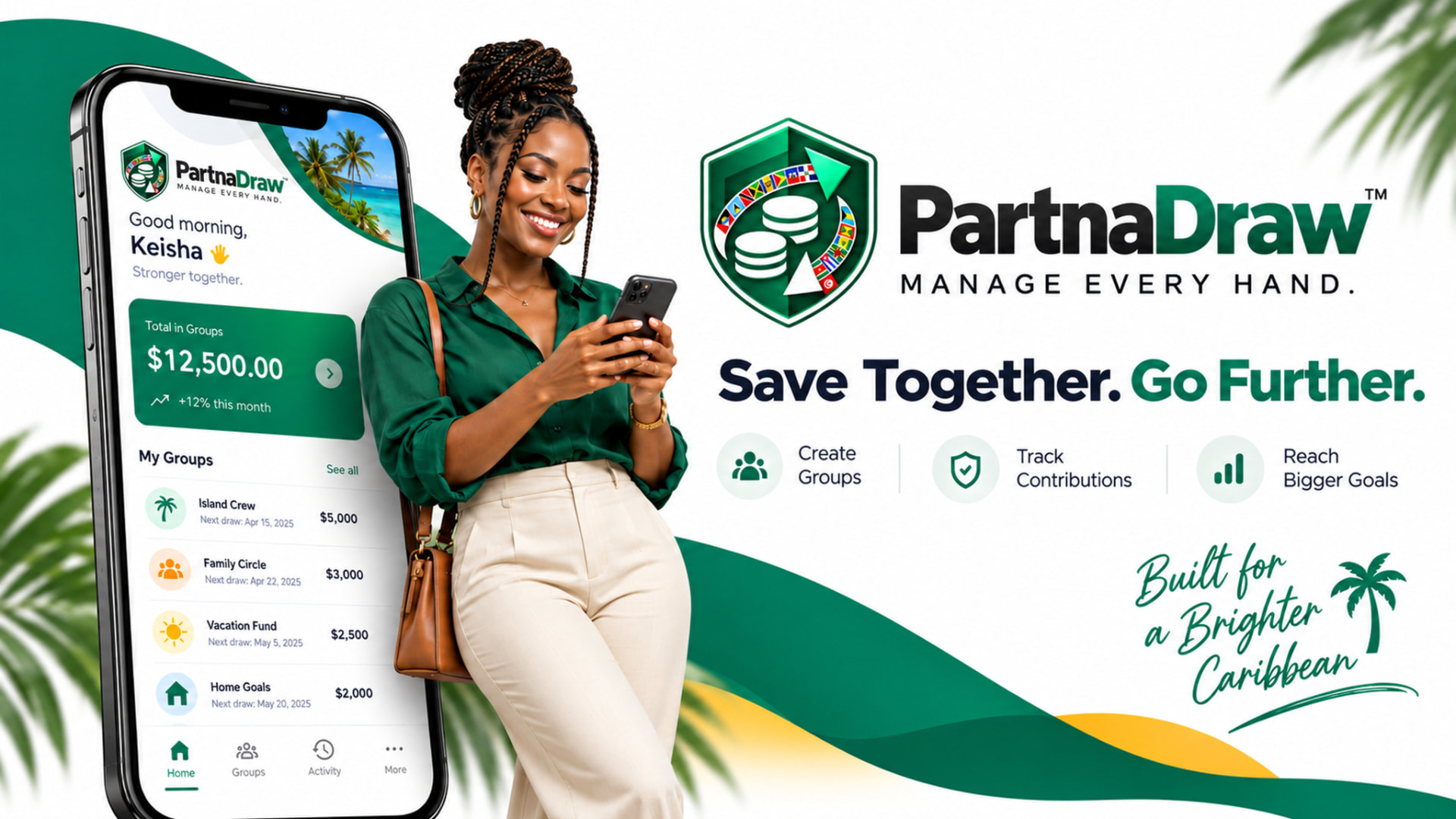
PartnaDraw is Partna management software for independent bankers and community savings organizers in Jamaica, the Caribbean and the diaspora. It brings pots, member participation, contribution records, draw schedules, notifications and business reports together. Bankers subscribe; invited participants have free access to their own relevant records.
A notebook or spreadsheet may work for a small group. Software can make a growing set of pots easier to administer, but it cannot choose reliable participants or replace clear agreements. Compare the actual tools and subscription terms with the work your group needs to do.
PartnaDraw is not a bank and does not collect, hold or transfer members’ savings. Contributions and payouts happen outside the app. It does not guarantee participants’ funds, prevent every default or replace legal and financial institutions. This guide is general educational information, not personalized financial or legal advice.