Long before mobile banking apps, online transfers, and digital savings accounts, Jamaicans were already helping one another save money through a simple but powerful tradition.
That tradition is called Partna, also written as Partner, Pardna, or Pardner.
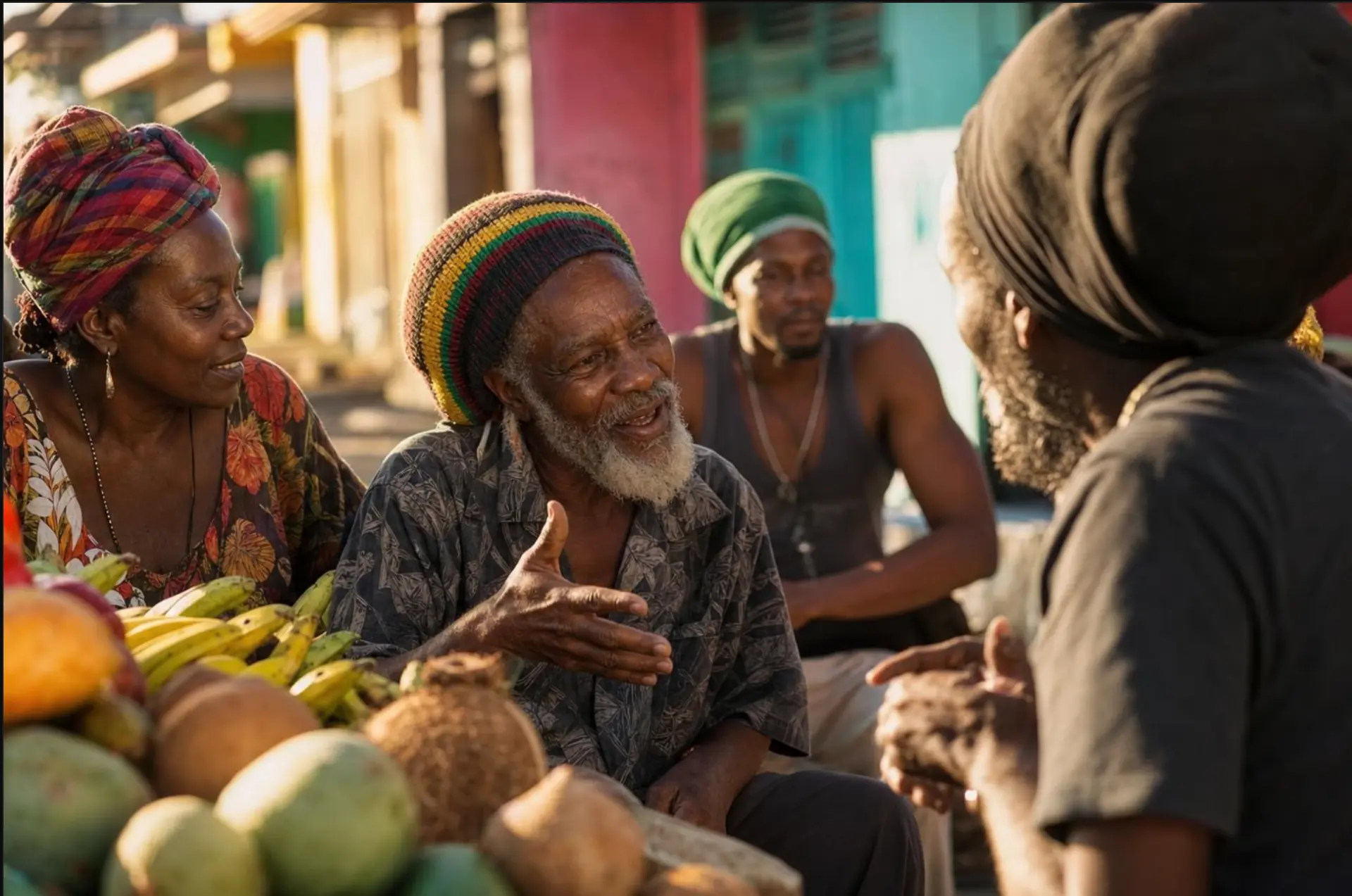
For generations, families, friends, coworkers, and community members have used Partna to save for important goals, from paying school fees to starting a business or improving a family home.
But where did Partna originate? How does it work? And why does it remain part of Jamaican culture?
Let's explore the story behind one of the Caribbean's best-known community savings traditions.
Where Did Jamaican Partna Originate?
Partna belongs to a wider family of community savings arrangements known as Rotating Savings and Credit Associations (ROSCAs).
The exact first origin of Jamaican Partna cannot be established. Its history is best understood as a tradition shaped by African heritage, mutual aid and local Caribbean experience, not a system invented by one identifiable person.
Similar arrangements have existed across Africa, Asia, Latin America, and other parts of the world for generations.
Researchers trace Caribbean Partna traditions to African mutual-aid practices that survived and developed during and after the transatlantic slave trade.
Across West Africa, related systems include Susu, Esusu, and Ajo. In the Caribbean, communities developed their own names and customs.
The tradition became especially important where formal banking was inaccessible, expensive, or poorly suited to people's everyday needs.
Partna allowed communities to rely on cooperation and personal relationships to organize their savings.
How Does a Traditional Jamaican Partna Work?
A Partna is a savings arrangement in which a group agrees to contribute a fixed amount of money at regular intervals.
Each collection period, one member receives the pooled contributions, known as the draw.
The process continues until every member has received their agreed payout.
Example: A 10-Person Jamaican Partna
Imagine ten friends agreeing to contribute J$5,000 every week.
- Each person contributes J$5,000 weekly.
- The group collects J$50,000 each week.
- One member receives the J$50,000 draw.
- The cycle continues for ten weeks.
- Every participant receives one draw.
Over ten weeks, each participant contributes J$50,000 and receives J$50,000 before any agreed fees.
The system doesn't create additional money. Instead, it gives participants access to their pooled contributions at different points in the cycle.
Someone receiving an early draw benefits from earlier access to funds, while someone receiving a later draw builds savings over time.
Who Is the Banker in a Partna?
The banker is the person responsible for organizing and administering the Partna.
Depending on the group's rules, the banker may:
- Register participants and establish their contribution amounts.
- Collect weekly, fortnightly, or monthly payments.
- Record contributions and outstanding balances.
- Determine or administer the draw schedule.
- Distribute each draw to the correct recipient.
- Follow up when participants miss payments.
Some bankers charge a fee for managing the group, while others organize Partna informally without compensation.
Because the banker manages important records and payout arrangements, trust plays a central role.
What Does It Mean to Throw a Hand?
In Jamaican Partna terminology, a hand refers to a participant's agreed contribution or participation share.
When someone says, "Mi a throw a hand," they're referring to contributing to a Partna.
The term draw refers to the pooled payout.
Some groups allow a participant to hold multiple hands, subject to the group's rules.
These expressions are part of the cultural identity of Jamaican Partna.
Is Partna Only Practiced in Jamaica?
No.
Related community savings systems exist throughout the Caribbean and beyond.
They include:
- Jamaica: Partna, Partner, Pardna
- Trinidad and Tobago: Sou-Sou or Susu
- Guyana: Box Hand
- Haiti: Sòl
- West Africa: Susu, Esusu, Ajo, and other local arrangements
Although the names and operating rules differ, the central idea is similar: people cooperate to save and take turns receiving pooled funds.
How Partna Traveled With the Jamaican Diaspora
As Jamaicans migrated to the United Kingdom, United States, Canada, and elsewhere, many carried their savings traditions with them.
Partna became a way for immigrant communities to maintain financial relationships, support relatives, and pursue goals together.
In Britain, Jamaican and other Caribbean migrants used informal savings circles as part of their community financial lives.
Today, geography presents new challenges. A banker might live in Jamaica while participants live in London, Toronto, or New York.
That makes communication and accurate records especially important.
From Traditional Notebooks to Digital Partna Management
Traditional Partna groups often depend on handwritten notebooks, spreadsheets, receipts, and messages to track contributions.
These methods can work, but they become harder to manage as a group grows.
A missing payment record or unclear draw date can quickly lead to confusion.
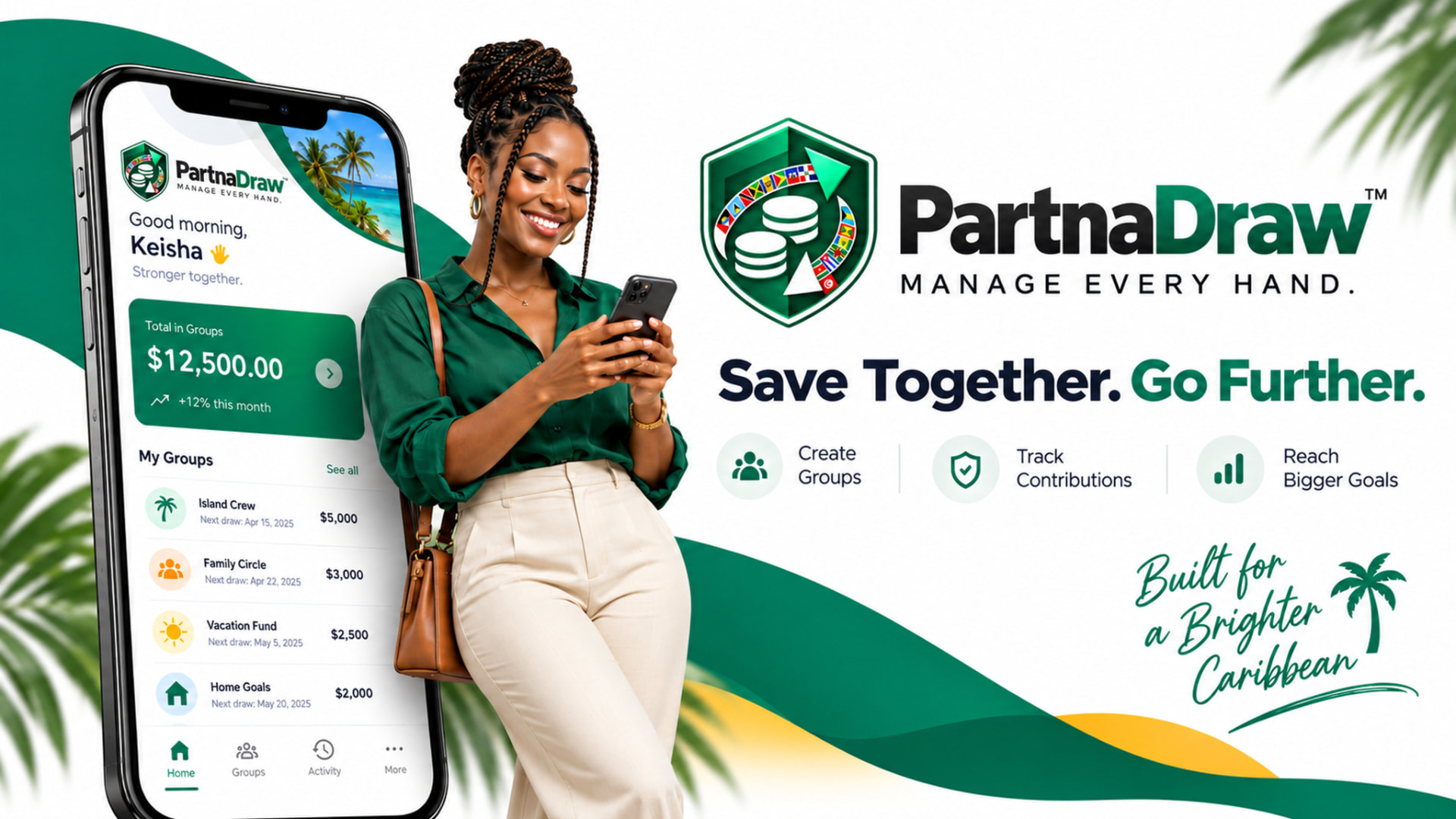
PartnaDraw brings a modern approach to organizing traditional Partna savings groups.
The platform is designed to help bankers manage pots, maintain contribution records, organize draw schedules, and give members clearer insight into their own participation.
PartnaDraw is a management tool, not a bank. The banker and participants remain responsible for their financial arrangements.
Keeping the Tradition Alive
Partna has survived because it is more than a way to collect money.
It represents discipline, cooperation, community, and trust.
The tools used to organize it may change, but the tradition doesn't have to disappear.
Ready to organize your Partna the modern way?
Explore PartnaDraw and discover a simpler way to manage your savings group.
PartnaDraw does not collect, hold or transfer members’ savings. Contributions and draws happen outside the app, between the banker and participants. A digital record does not independently prove that money was received.